Scars
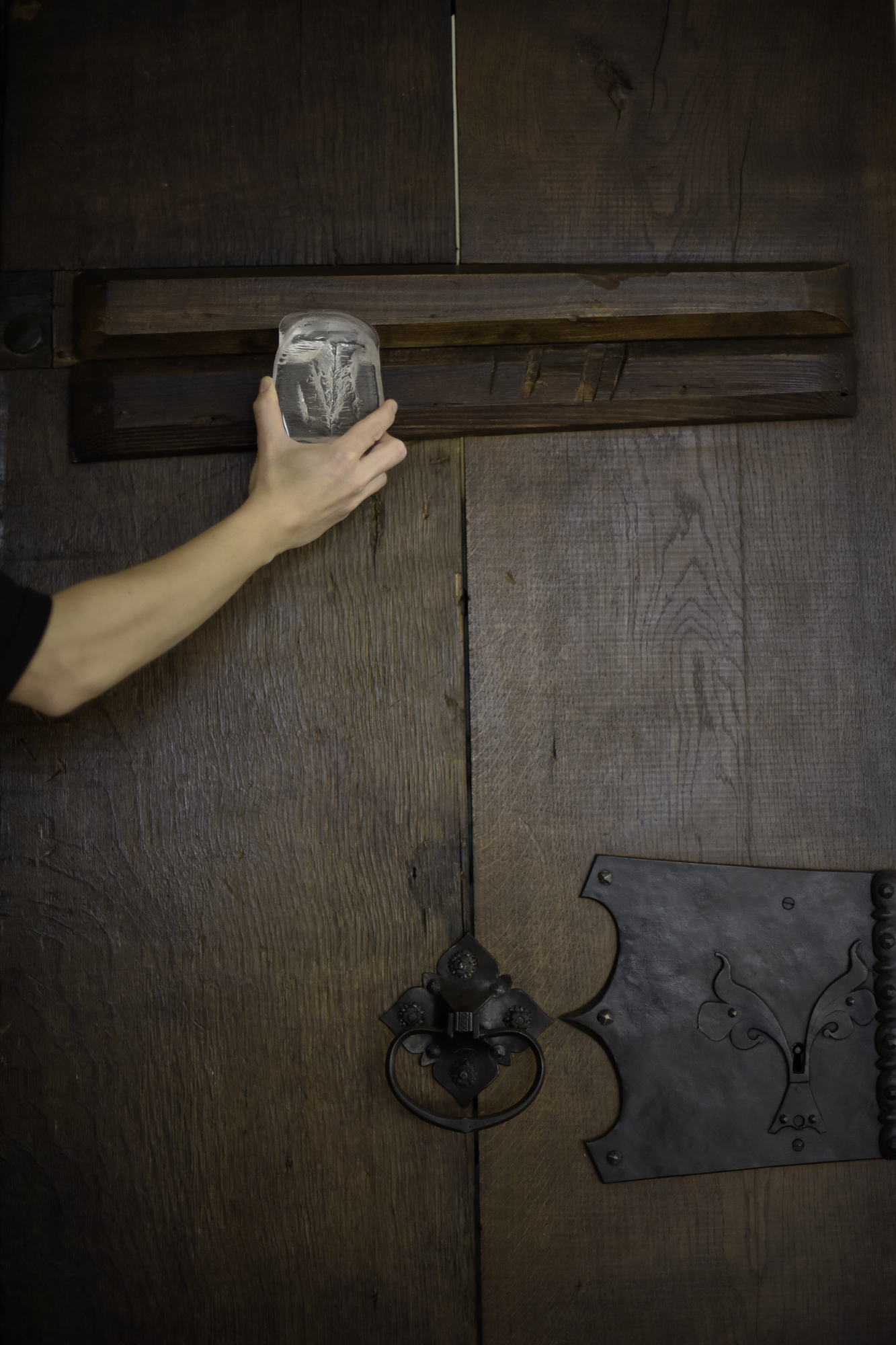
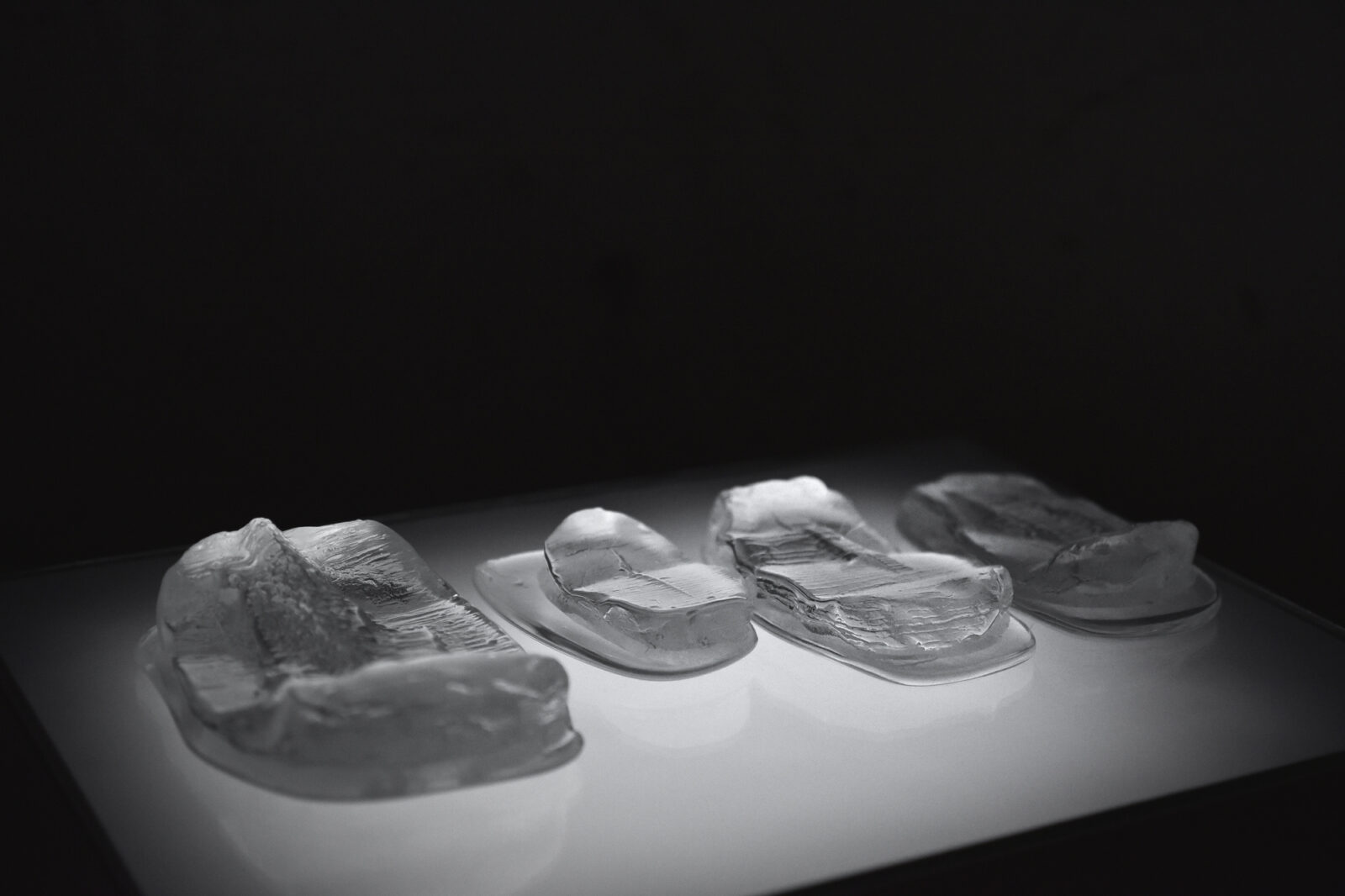
2022, glass objects, 3 x 40 x 30 cm
Technical collaboration: Joanna Bujak
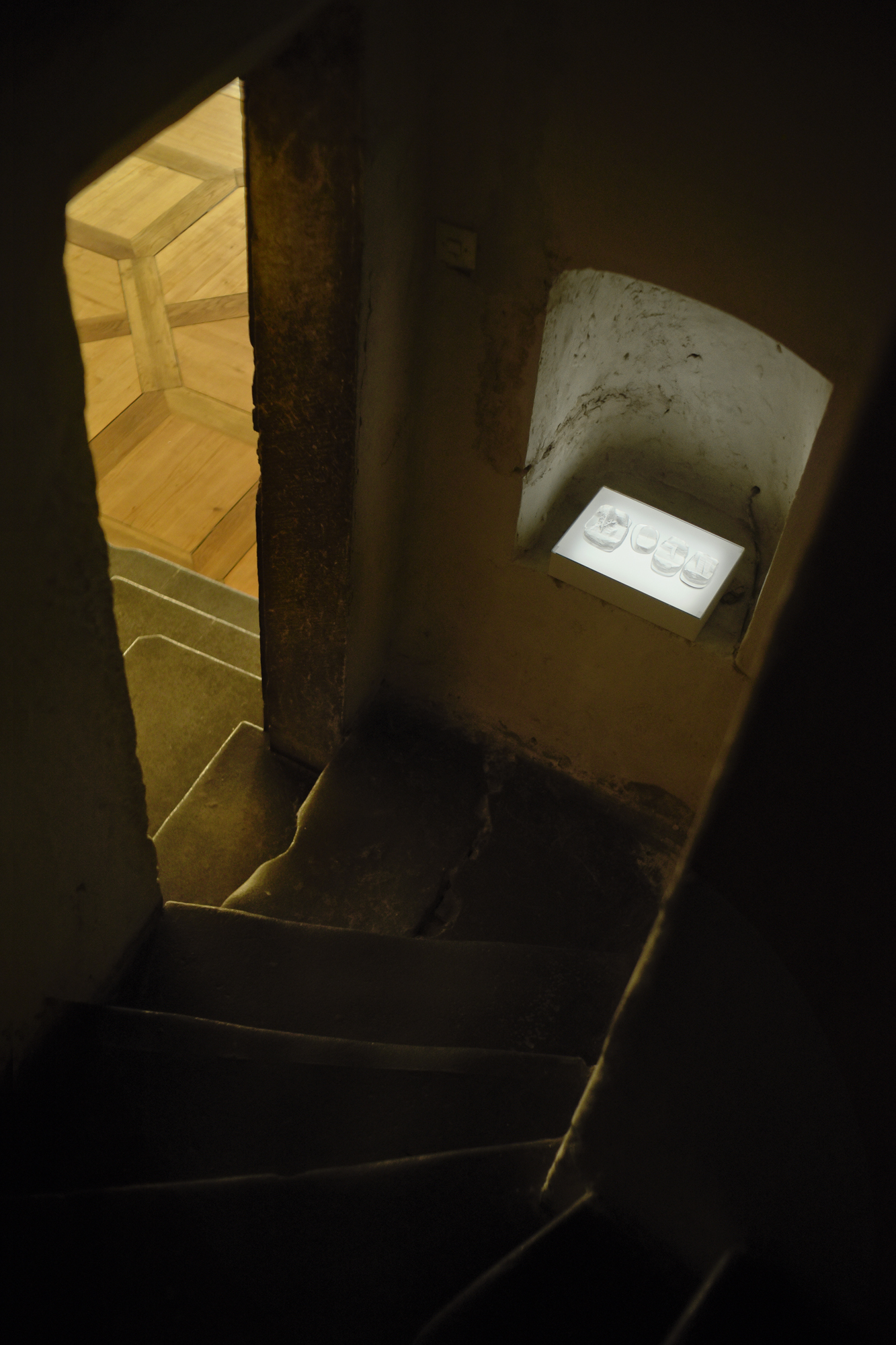
Museum of Bourgeois Art in the Old Town Hall, Wrocław City Museum
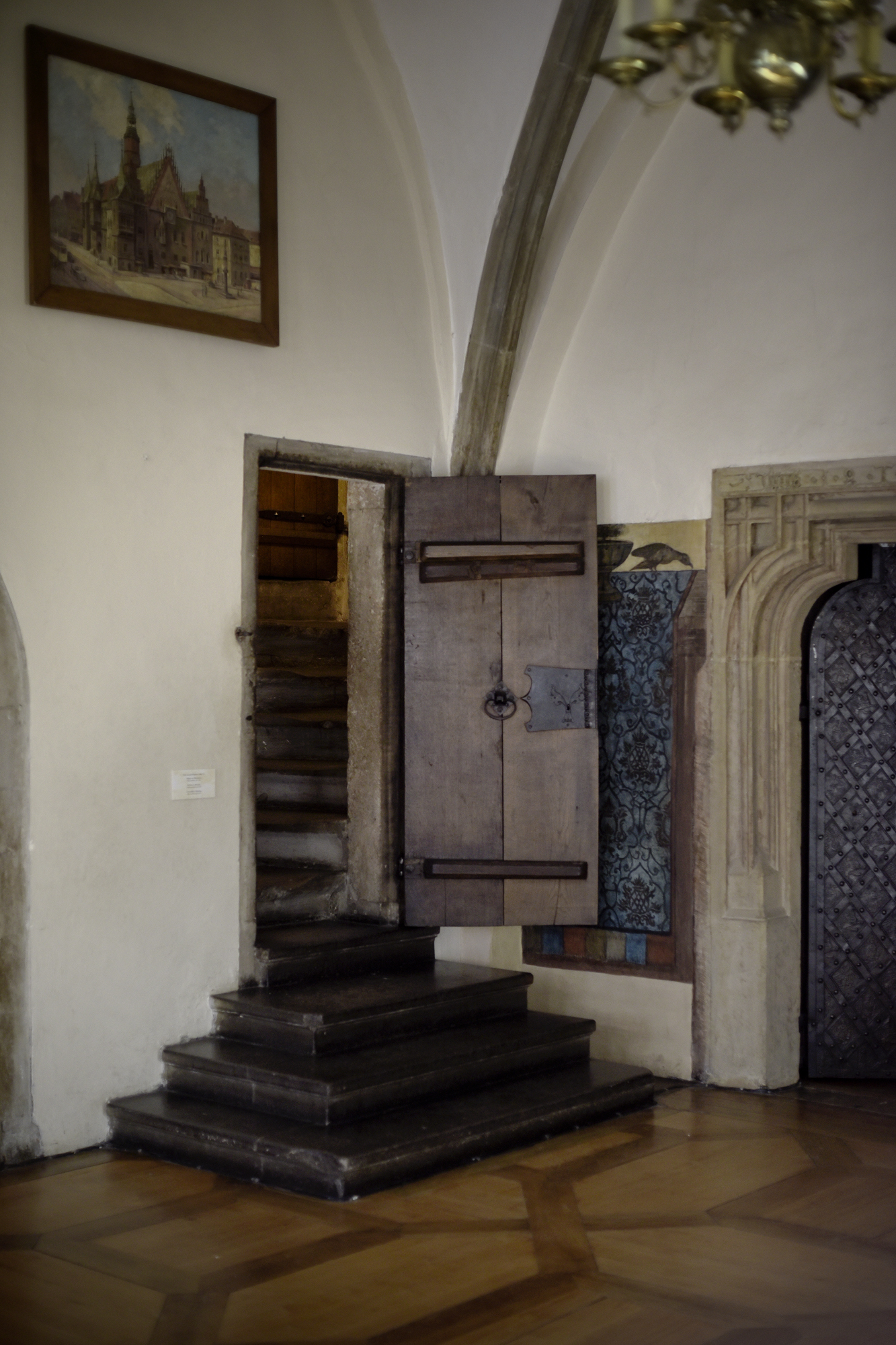
In 1418, in Wrocław, as a result of the deteriorating situation of people from the lowest social class and the moderately wealthy bourgeoisie, a rebellion broke out against the hated dignitaries in power. A dozen or so journeymen stormed into City Hall, attacked members of the City Council, and threw one of them out the window. Such an act is called a defenestration. The uprising brought the expected results, but only temporarily. Ultimately, it led to an even harsher tightening of the law and a strengthening of authority. The rebels were accused of disloyalty to the administration and insulting the sovereign, and were executed. The severed heads of the condemned were smeared with tar, boiled in hot water, and mounted on stakes for the display on the city walls as a warning to other potential dissidents. Acts of suppressing civil uprisings and punishing disobedience toward authority are a phenomenon that remains strikingly relevant today.
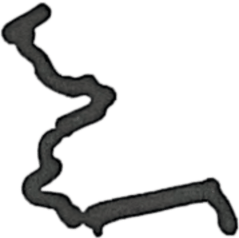
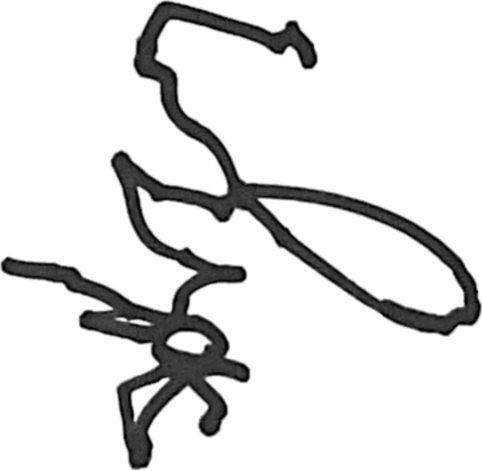
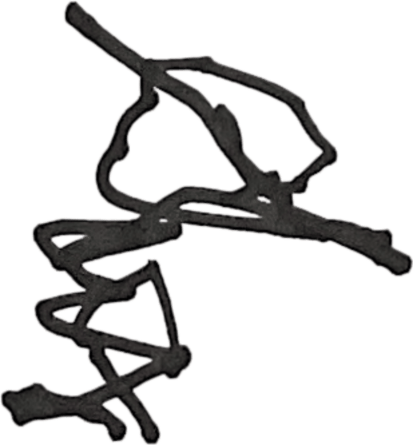
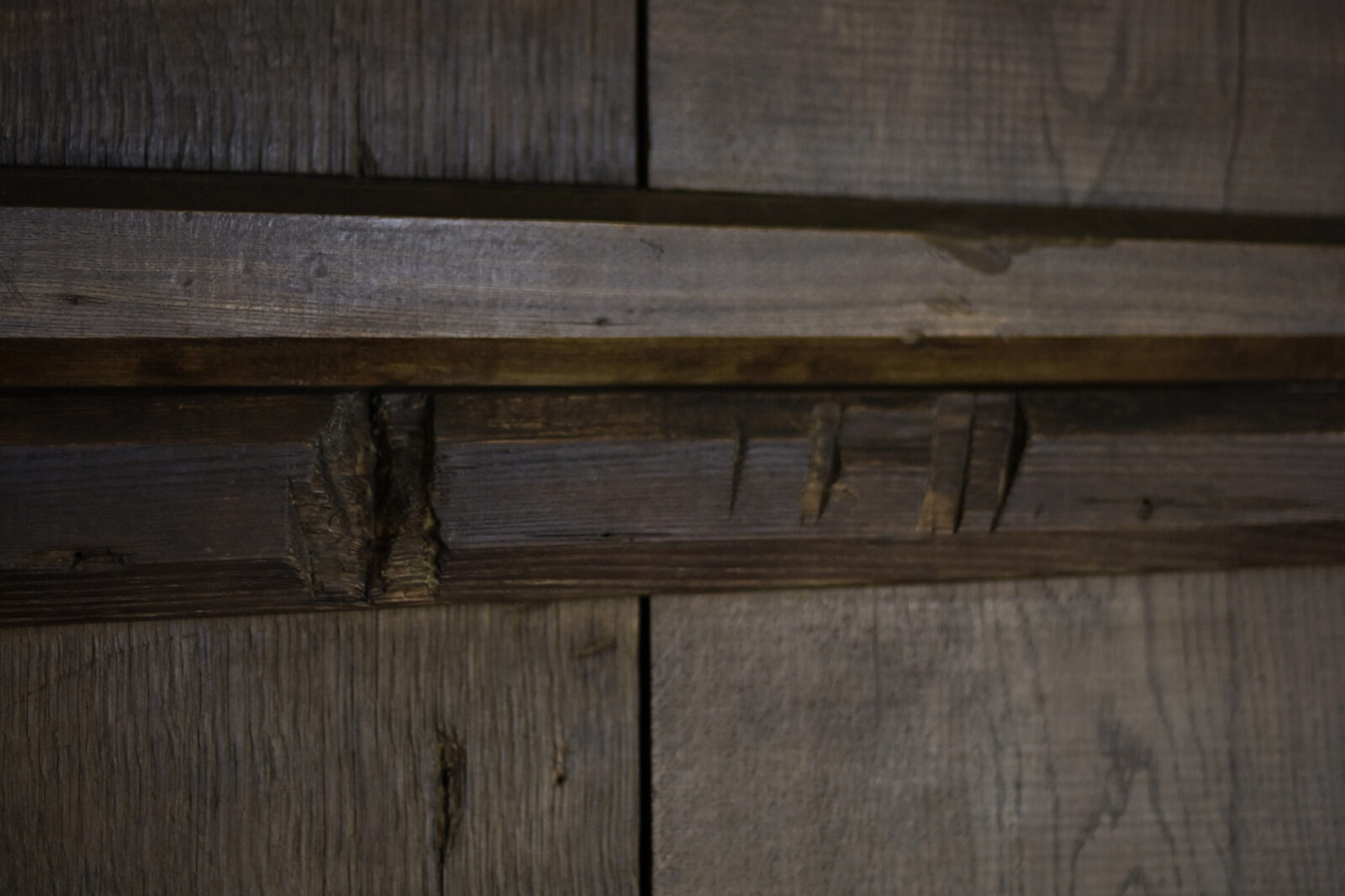
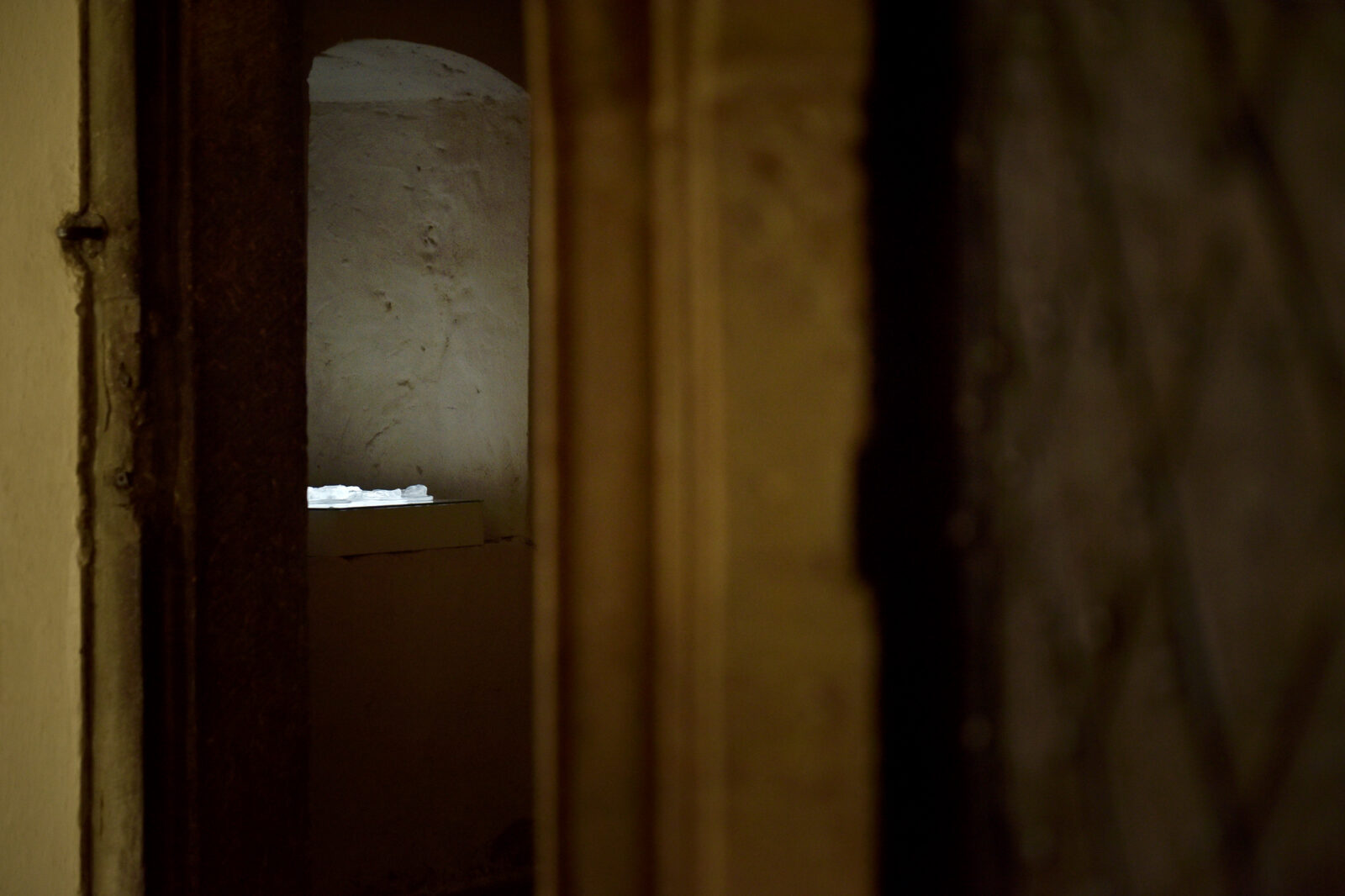
In the town hall, on the wooden door leading to the tower, traces of an axe blow are still visible today – evidence of the apprentices’ attack on members of the Town Council. I recount the story of the rebels through what is missing. I have recreated the gaps in glass. The aim of extracting the fillings from the gaps was to bring out from the history of this event a gesture of defiance, possible only through radical action. The violent suppression of social discontent, strikes, rebellions and uprisings by the authorities (and the elites behind them) is a recurring process in Polish history. As the historian and sociologist Adam Leszczyński argues, this process is part of the social mechanism of domination and resistance, and the associated mechanism of emancipation of the most disadvantaged groups.